Precision belongs in the payload.
Star cameras, edge compute and imaging optics that give a small satellite sharp, geolocated pictures from any bus.
Work with us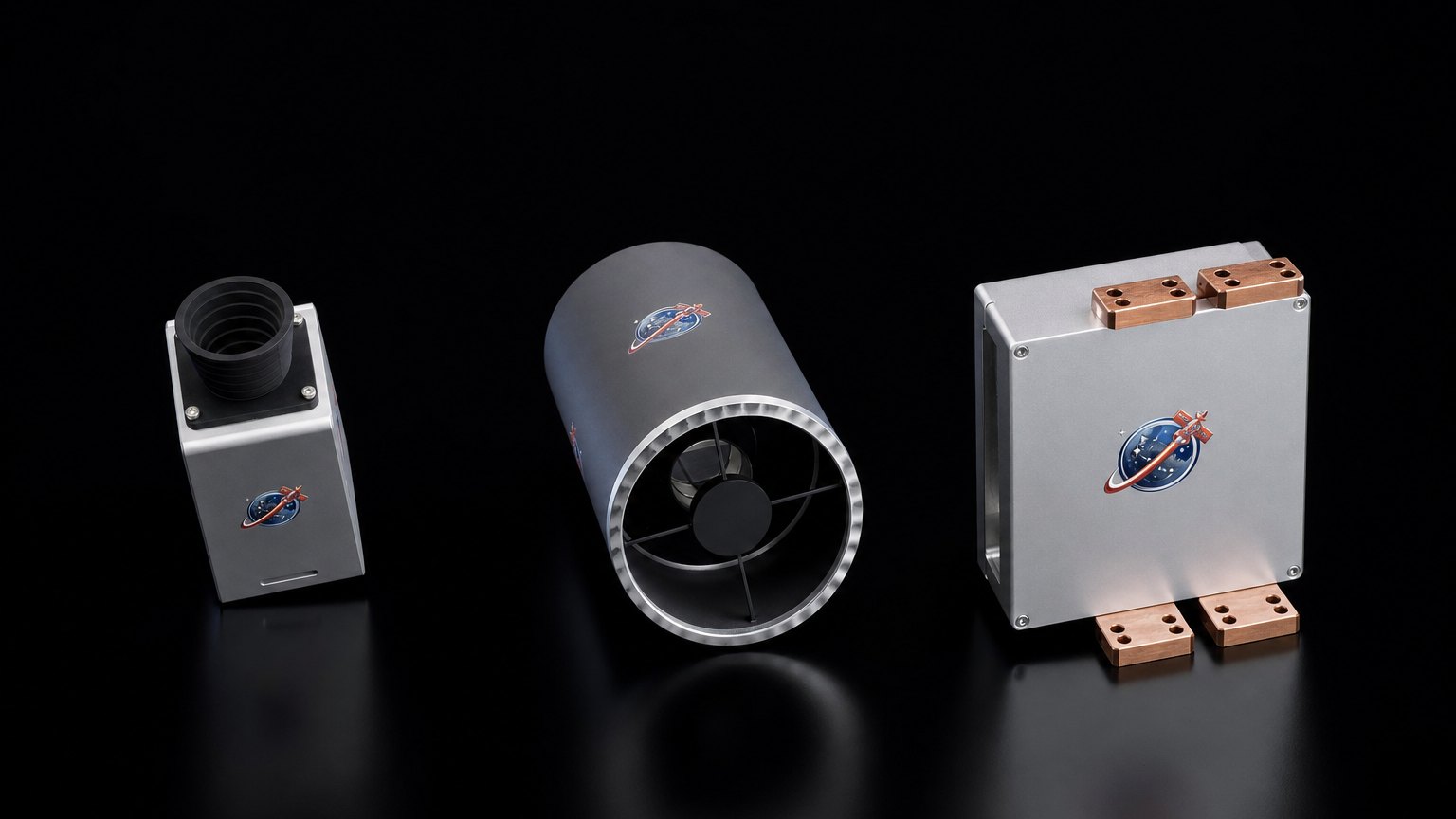
Point. Stack. Infer.
Small satellites buy their image quality from the bus. We carry it in the payload.
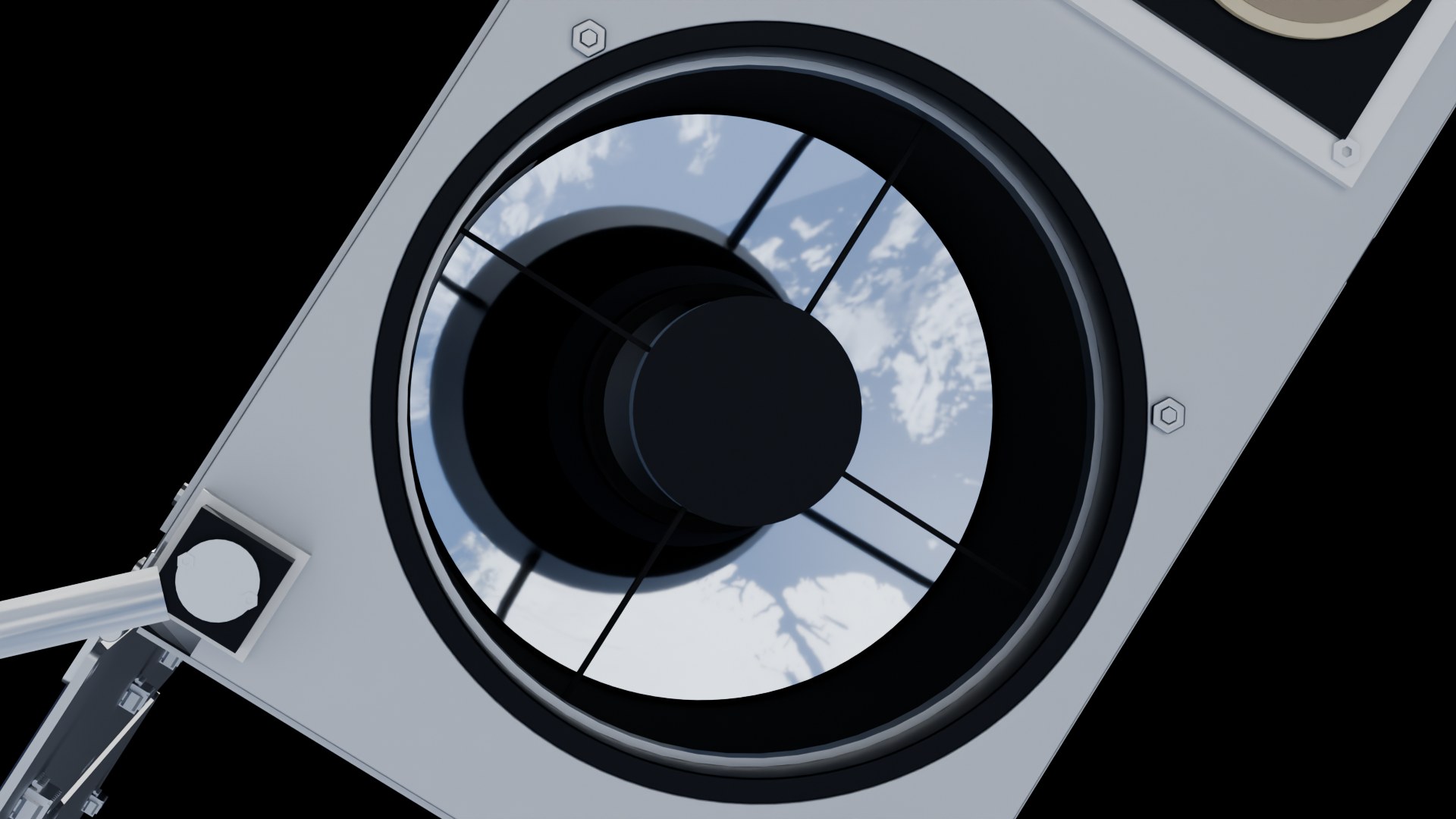
A conventional star tracker loses the sky above about 3°/s, so an agile satellite slews, waits, settles, then images. Our star camera solves attitude while the spacecraft is still turning. Our AI-first imaging and compute chain registers and stacks its own sub-frames on board, using that attitude as the prior. The result is a sharp, geolocated tile and intelligent metadata from a bus with ordinary pointing, and no settling wait between targets.
How the star tracker works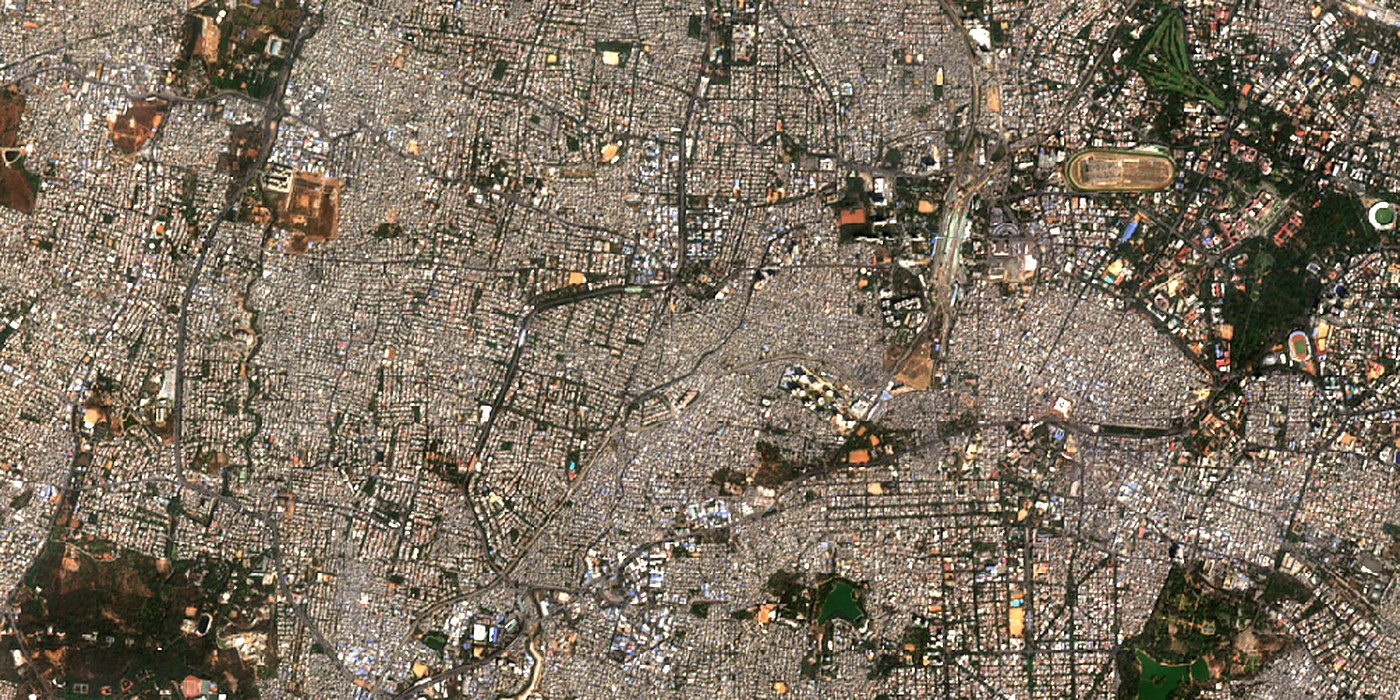
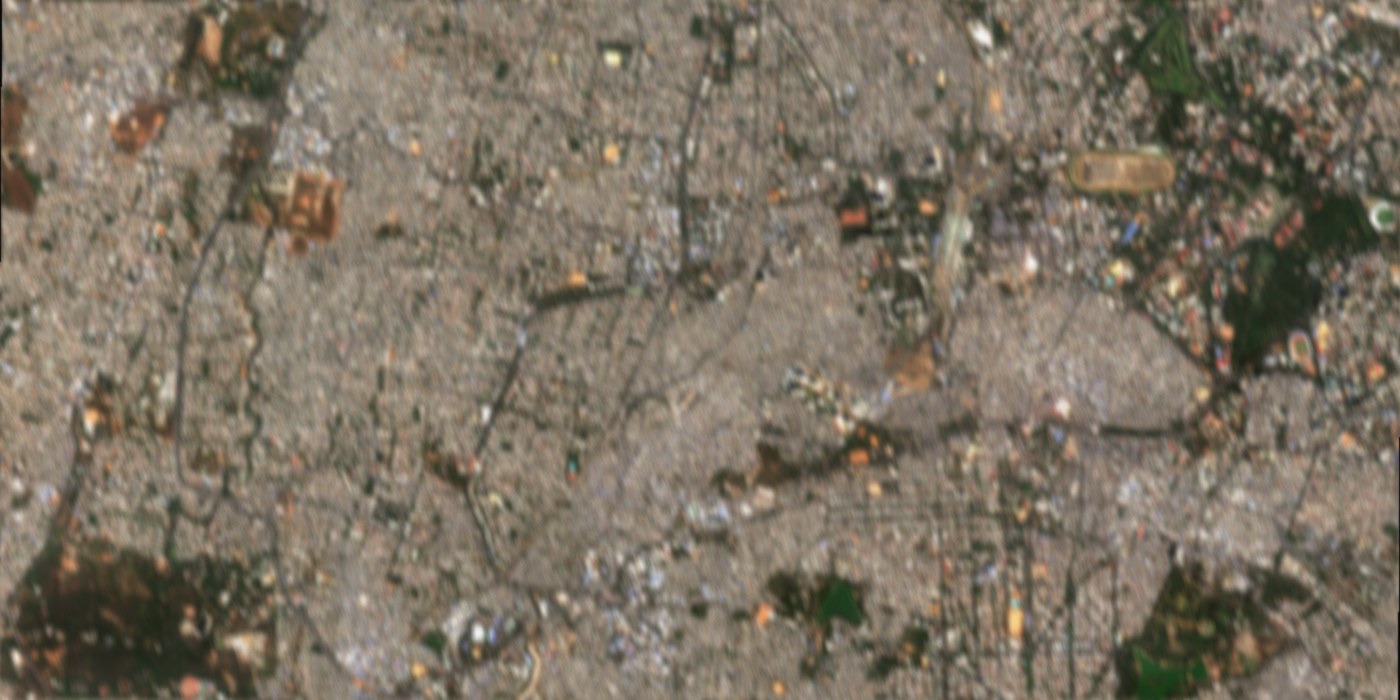
tile geolocated on board
Illustration on Copernicus Sentinel-2 data over Bengaluru. First on-board stacking flight: 2027.
We fly early and often.
- May 2026
Stratos-1
First stratospheric flight. Flew the Jetson compute module and cameras to 42 km.
Flown - October 2026
Stratos-2
Validates the star camera, intelligent imaging and passive radiative cooling technologies.
Upcoming
Now building the whole spacecraft.
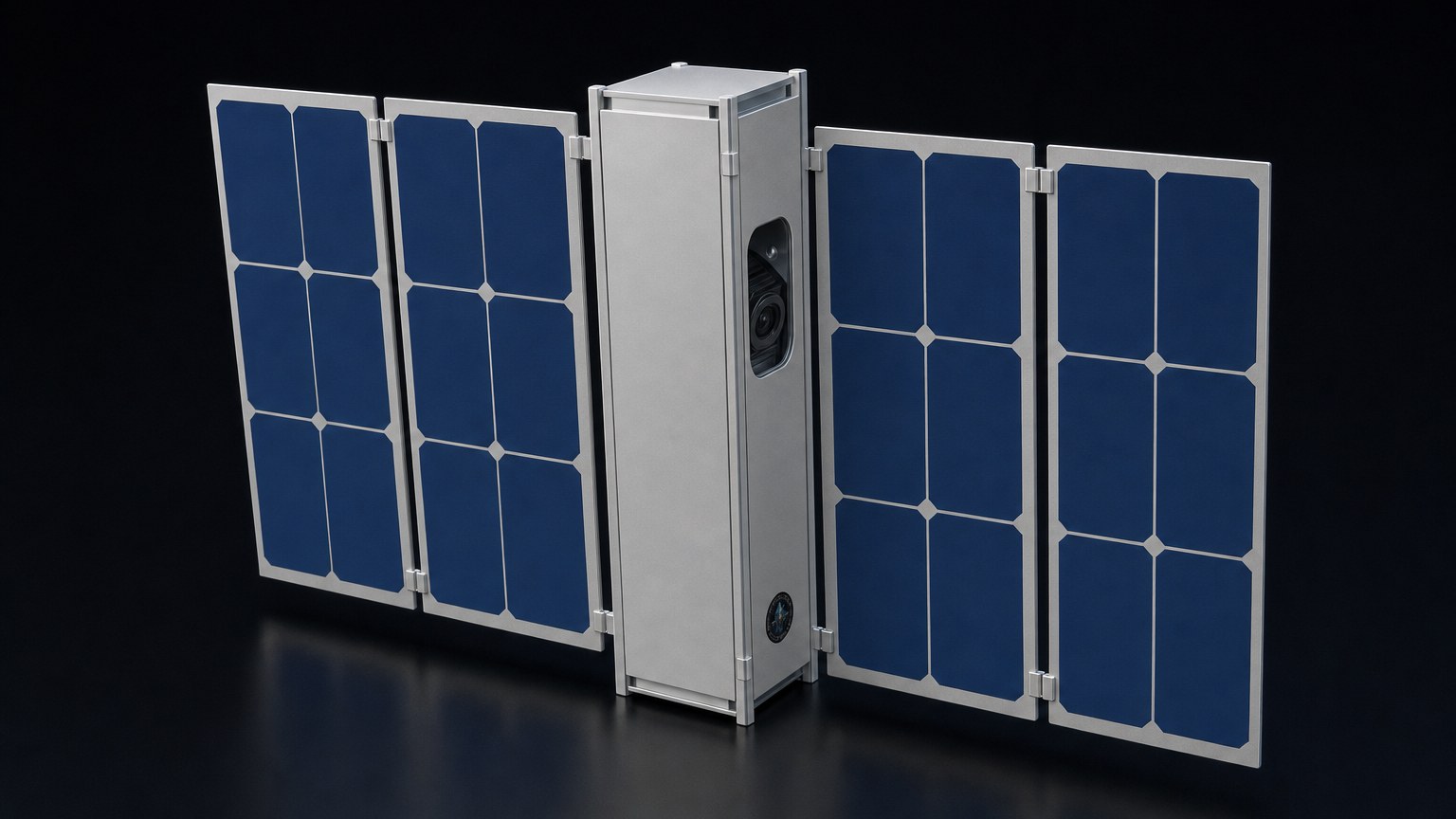
A 3U satellite built around the picture
The star camera and image processing, packaged with power, pointing and communications, and a payload bay below. A 1U bus is in development.
Satellite busesBuilt in Bengaluru by people with space experience, at ISRO and Planet Labs, USA.
Why India, why now
We design and build in India, and our star camera is ITAR-free. We fly early and often: a near-space campaign every few months is how we turn simulations into measured numbers.
How we work
Simulate, build, fly, measure. Every claim on this page is either flown or on a dated flight to be measured.
Embedded, FPGA, optics, controls and mechanical roles open in Bengaluru.
Fly a pathfinder.
Reserve a star-camera engineering unit for 2027.